
About
Coverage by KuppingerCole Analysts
Research Coverage of Okta

Leadership Compass
SaaS Security and AI Governance
Leadership Compass
Identity and Access Governance
Leadership Compass
Identity Governance and Administration (IGA)
Leadership Compass
Privileged Access Management (PAM)
Leadership Compass
Business-to-Business Identity and Access Management
Leadership Compass
Passwordless Authentication for Enterprises
Leadership Compass
Passwordless Authentication B2C
Leadership Compass
Consumer Identity and Access Management (CIAM)
Leadership Compass
Identity Threat Detection and Response (ITDR)
Blog
IPSIE: Standardizing SaaS Identity or Overlooking the Bigger Problem?

Blog
Beyond the Password: Making Identity the Living Perimeter of Cybersecurity
Leadership Compass
Policy Based Access Management
Leadership Compass
Access Management
Leadership Compass
Identity Fabrics

Blog
Why AI in IAM is a Game-Changer
Leadership Compass
Identity and Access Governance
Leadership Compass
Privileged Access Management
Leadership Compass
Passwordless Authentication for Enterprises
Leadership Compass
Identity Governance and Administration
Leadership Compass
Customer Identity and Access Management (CIAM)
Leadership Compass
Passwordless Authentication for Consumers: Securing Fast Business Online
Leadership Compass
Identity Fabrics
Leadership Compass
Policy Based Access Management

Blog
Reflections on the Okta Breaches: We All Live in Glass Houses Now

Blog
The Ping/ForgeRock combination
Leadership Compass
Access Management
Blog
Passwordless Authentication 101

Whitepaper
Accelerating Your Digital Business with Customer Identity
Leadership Compass
CIAM Platforms
Blog
You Cannot Buy Zero Trust, But That’s Actually OK
Leadership Compass
Identity Fabrics
Leadership Compass
Access Management 2022

Blog
Identity Access – The Immature Industry

Blog
Zero Trust
Blog
Cloud Security
Leadership Compass
Identity as a Service (IDaaS) - IGA

Blog
EIC Speaker Spotlight: Chris Owen on Identity Management
Blog
EIC Speaker Spotlight: Jackson Shaw on Identity and the Rise of Platforms
Blog
PAM Is Changing and You Need to Know Why
Leadership Compass
Identity Fabrics
Blog
Okta & Auth0
Leadership Compass
Enterprise Authentication Solutions
Blog
Zero Trust: We’re Nowhere Near the End of the Story Yet
Leadership Compass
Access Management
Leadership Compass
CIAM Platforms
Leadership Compass
Identity as a Service (IDaaS) - IGA
Leadership Compass
Identity API Platforms
Leadership Compass
IDaaS Access Management
Leadership Compass
CIAM Platforms
Leadership Compass
Cloud-based MFA Solutions
Blog
Changes in the Scope of Investors for IAM
Leadership Compass
Identity as a Service: Cloud-based Provisioning, Access Governance and Federation (IDaaS B2E)
Leadership Compass
Identity as a Service: Single Sign-On to the Cloud (IDaaS SSO)
No matching research found.
Videos Featuring Okta

Webinar Recording
Creating a Unified View of Identity Risk

Webinar Recording
Building Trustworthy AI Agents Through Modern Identity Control

Webinar Recording
Securing Your Organization Against AI-Driven Identity Threats
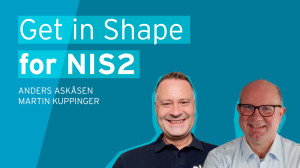
Videocast
NIS2: What Everyone Needs to Consider
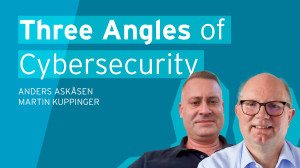
Videocast
Lessons to Learn from the Financial Services Industry on Compliance and MFA
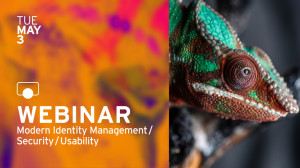
Webinar Recording
Modern Identity Management: Security Without Compromising Usability

Webinar Recording
Digital Trust: Critical to Digital Business Success

Webinar Recording
Identität ist das neue Perimeter: Sichern Sie Zugriff und Nutzung von Cloud-Anwendungen

Webinar Recording
Reduce Dependency on Active Directory With Cloud Identity

Webinar Recording
KuppingerCole’s Evaluation of Leading Vendors in the Identity API Platforms Market
No matching videos found.
Badges Awarded to Okta
 Overall Leader
 Product Leader
 Innovation Leader
 Market Leader
SaaS Security and AI Governance
Overall Leader
Product Leader
Innovation Leader
Market Leader
Identity and Access Governance
Overall Leader
Product Leader
Innovation Leader
Market Leader
Identity Governance and Administration (IGA)
Market Leader
Privileged Access Management (PAM)
Overall Leader
Product Leader
Innovation Leader
Market Leader
Business-to-Business Identity and Access Management
Overall Leader
Product Leader
Innovation Leader
Market Leader
Passwordless Authentication for Enterprises
Overall Leader
Product Leader
Innovation Leader
Market Leader
Passwordless Authentication B2C
Overall Leader
Product Leader
Innovation Leader
Market Leader
Consumer Identity and Access Management (CIAM)
Overall Leader
Product Leader
Market Leader
Identity Threat Detection and Response (ITDR)
Overall Leader
Product Leader
Innovation Leader
Market Leader
Access Management
Overall Leader
Product Leader
Innovation Leader
Market Leader
Identity Fabrics
Overall Leader
Product Leader
Innovation Leader
Market Leader
Passwordless Authentication for Enterprises
Overall Leader
Product Leader
Innovation Leader
Market Leader
Customer Identity and Access Management (CIAM)
Overall Leader
Product Leader
Innovation Leader
Market Leader
Passwordless Authentication for Consumers: Securing Fast Business Online
Overall Leader
Product Leader
Innovation Leader
Market Leader
Access Management
Overall Leader
Product Leader
Innovation Leader
Market Leader
CIAM Platforms
Overall Leader
Product Leader
Innovation Leader
Market Leader
Identity Fabrics
Overall Leader
Product Leader
Innovation Leader
Market Leader
Access Management 2022
Overall Leader
Innovation Leader
Market Leader
Identity Fabrics
Overall Leader
Product Leader
Innovation Leader
Market Leader
Enterprise Authentication Solutions
Overall Leader
Product Leader
Innovation Leader
Market Leader
Access Management
Overall Leader
Market Leader
Identity as a Service (IDaaS) - IGA
Overall Leader
Product Leader
Innovation Leader
Market Leader
Identity API Platforms
Overall Leader
Product Leader
Innovation Leader
Market Leader
IDaaS Access Management
Market Leader
CIAM Platforms
Overall Leader
Product Leader
Innovation Leader
Market Leader
Cloud-based MFA Solutions
Overall Leader
Product Leader
Innovation Leader
Market Leader
Identity as a Service: Single Sign-On to the Cloud (IDaaS SSO)
No matching badges found.







