



The Identity Fabric has become a foundational concept for structuring modern identity and access management (IAM). It captures the complexity of IAM architectures by linking identity types, capabilities, services, and tools into a coherent and reusable framework. But its strength has also been a limitation: the full version of the model, while comprehensive, is not always suitable for quick explanations or non-technical audiences.
This is where a simplified version of the Identity Fabric becomes valuable. Not as a replacement, but as a complementary tool - designed for communication rather than implementation.
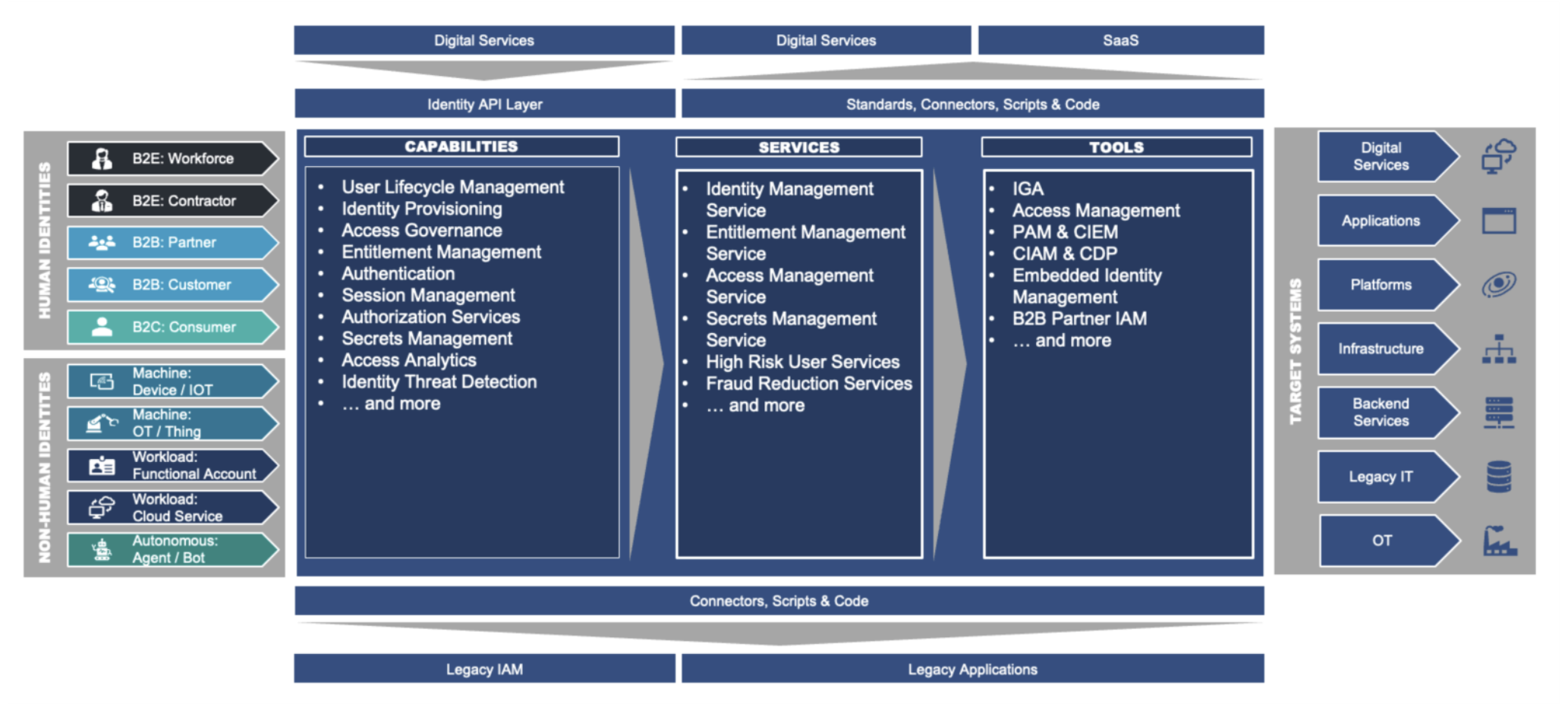
Figure 1: Simplified Identity Fabric – Core Structure for Stakeholder Communication
Explaining, Not Engineering
In many organizations, IAM is still seen as a technical topic. It rarely receives the attention it deserves from decision-makers - until something goes wrong. And even then, the focus is often reactive. Explaining IAM in terms of APIs, connectors, and entitlements does not help. What is needed is a language that works across roles: from enterprise architects to CISOs to business stakeholders and C-level executives.
The lean version of the Identity Fabric supports precisely this kind of dialogue. It reduces the model to its essentials: identities (human and non-human), services to be accessed, and the IAM functions in between that enable secure and governed access. It provides just enough structure to explain what IAM is, what it does, and why it matters - without requiring a deep technical background.
From 30 Words to 30 Minutes
There is a place for the full diagram, and there is a place for the elevator pitch. Most conversations fall somewhere in between. The simplified Identity Fabric offers a flexible narrative that scales to the context. It helps avoid a situation where an important topic fails to land simply because the framing was too complex - or the time too limited.
Rather than walking through dozens of boxes and connectors, the lean version supports a clear storyline: we need to enable secure access to services for every type of identity. To do so, we rely on a defined set of IAM capabilities, grouped into services and supported by tools. These must integrate with existing systems and expose their functionality to new applications via standardized interfaces.
This framing does not compromise accuracy. It enables understanding.
Alignment Through Abstraction
A shared model fosters a shared understanding. That is especially important in identity management, where decisions often span departments, providers, and governance functions. The simplified Identity Fabric enables cross-functional alignment by providing a visual and conceptual anchor that is accessible to non-specialists. It encourages consistency without enforcing uniformity.
Organizations are already using the simplified model in management presentations, team briefings, and internal strategy sessions. Vendors, too, position their offerings against the same structure, identifying their role in the broader IAM architecture. This makes the model more than a diagram - it becomes a neutral reference point in discussions about scope, responsibility, and capability coverage.
|
ASPECT |
FULL IDENTITY FABRIC |
SIMPLIFIED IDENTITY FABRIC |
|
PURPOSE |
Implementation planning and technical architecture |
Strategic alignment and stakeholder communication |
|
AUDIENCE |
IAM architects, technical teams, integration partners |
Executives, decision-makers, cross-functional leaders |
|
COMPLEXITY LEVEL |
High – detailed capabilities, processes, and integrations |
Low – abstracted view focused on purpose and structure |
|
VISUAL STRUCTURE |
Multi-layered blocks, connectors, and interdependencies |
Linear left-to-right flow: Identity → Services |
|
EFFORT TO COMMUNICATE |
~ 20–30 minutes |
~ 2–5 minutes |
|
USE CASES |
Architecture reviews, tool mapping, capability gap analysis |
Elevator pitch, board meetings, initial awareness |
|
FLEXIBILITY |
High, but requires facilitation |
Very high – easy to adapt to different contexts |
|
CONCEPTUAL ENTRY POINT |
Capabilities and service breakdown |
High-level understanding of identity as enabler |
|
OUTPUT ORIENTATION |
Operational and technical design |
Communication, alignment, and storytelling |
|
ADOPTION MODEL |
Internal IAM teams, vendors mapping onto it |
Broad – including business and strategic audiences |
Table 1: Identity Fabric Models: Fit for Purpose Across Stakeholder Groups
Less Detail, More Clarity
The decision to introduce a simplified version was not a matter of reducing content. It was about clarifying purpose. Identity is no longer a backend function; it is part of the digital experience, of customer trust, of regulatory posture, and operational efficiency. It cannot remain confined to IAM teams. It must be explainable to those who fund, govern, and rely on it.
The simplified Identity Fabric makes this possible. It enables strategic discussions that stay focused without becoming vague. It is not about which tool to buy or which connector to build - it is about which capabilities need to be in place, for whom, and why.
For professionals seeking to drive clarity and alignment in their IAM programs, the lean Identity Fabric offers a pragmatic communication tool. It reframes identity not as infrastructure detail but as business-enabling capability—understandable across roles, adaptable to different contexts, and applicable to both human and non-human identities.
To explore this approach further and see how organizations are operationalizing Identity Fabric concepts at scale, consider attending Identity Fabric Impact Day 2025. This event will convene practitioners, architects, and strategic decision-makers to share real-world insights into identity governance, architecture simplification, and the evolving role of IAM in enterprise transformation.

Figure 2: Core Structure of the Identity Fabric for High-Level Communication
A Visual Entry Point
Simplification, in this case, is not a compromise. It is a deliberate act of communication. The lean model provides an entry point to a complex architecture, helping stakeholders understand the purpose and direction of IAM without needing to master its implementation details. From there, deeper engagement is possible, and often necessary - but only once the core message is understood.
The full reference architecture still exists and remains essential for those designing and operating the system. But to start the conversation - to make identity explainable - the simplified Identity Fabric serves its purpose well.









