Why don't you like this?



Description
Short Summary
Interesting Facts
Notable Quotes
Recommendations
Takeaways


Introduction
Identity Fabrics have emerged as the central paradigm in the Identity and Access Management (IAM) landscape. As organizations are challenged by the need for managing diverse identity types, encompassing employees, partners, customers, and devices, Identity Fabrics offer an integrated framework that brings coherence to a multifaceted identity ecosystem. They move beyond traditional IAM solutions by combining modern orchestration with advanced integration capabilities, essential for enterprises seeking seamless identity management across complex IT environments.
The essence of an Identity Fabric lies in its ability to unify disparate identity and access solutions into a coordinated and streamlined architecture. This unification is essential as it supports secure and scalable identity management across a spectrum of environments, accommodating both on-premises systems and cloud-native applications. By enabling seamless orchestration, Identity Fabrics ensure that identity services are delivered efficiently and securely, meeting the evolving needs of agile businesses.
The business demand for advanced identity solutions is driven by the need to maintain secure access while simplifying user experiences and adhering to regulatory mandates. Identity Fabrics fulfill these requirements by providing a cohesive infrastructure that supports robust security frameworks and streamlined user access processes. The modular nature and API-driven design of these fabrics allow enterprises to incorporate new services and extend capabilities with minimal friction, thereby future-proofing their identity management strategies.
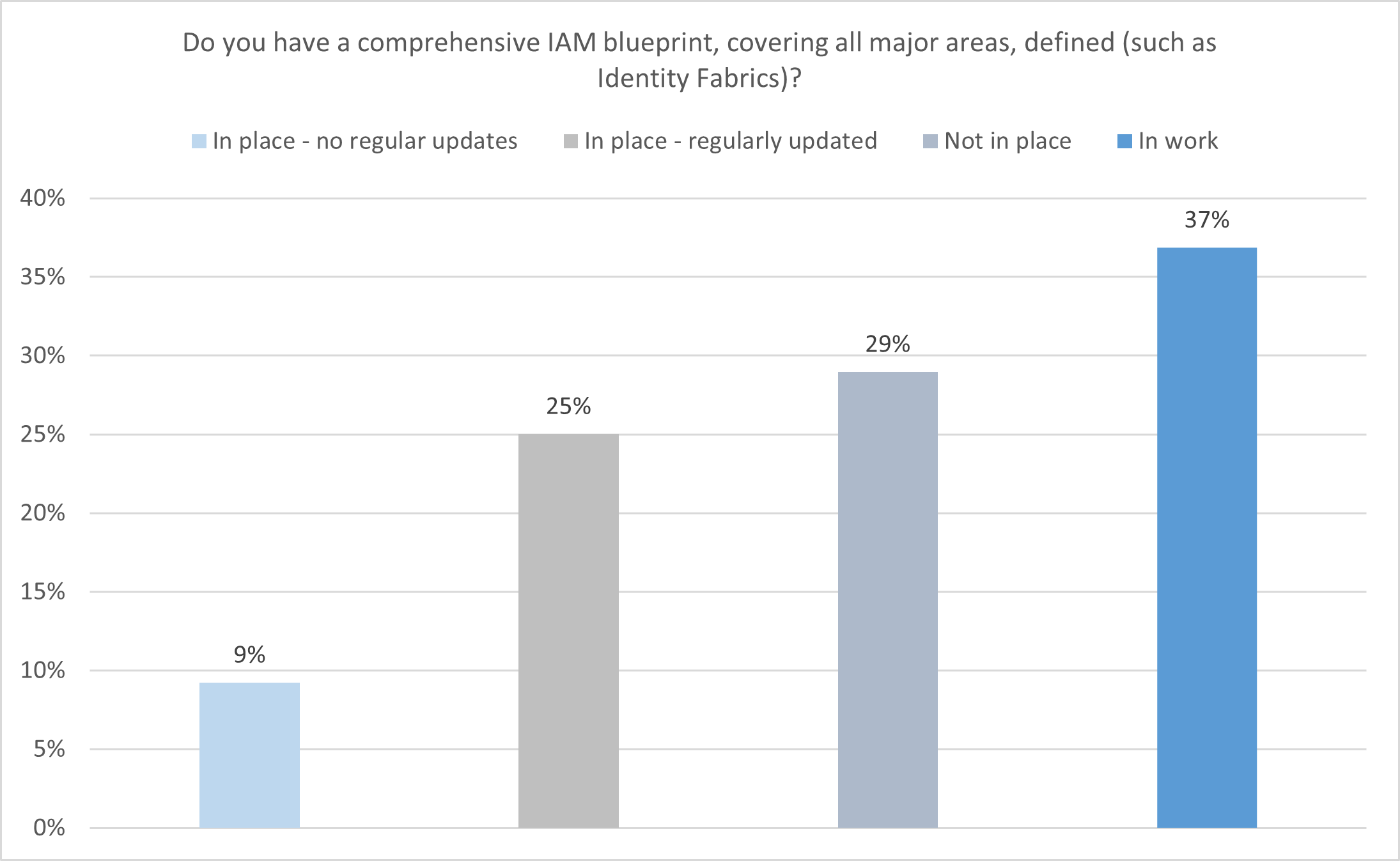
Figure 1: Identity Fabrics are increasingly considered and used as the central paradigm for modern IAM architectures.
A significant trend within Identity Fabrics is the adoption of microservices architectures and an API-centric approach, which facilitate modular deployment and flexible orchestration of identity services. This flexibility is mandatory for enabling companies to adapt swiftly to changes in business needs and technological progressions. Additionally, orchestration capabilities are at the heart of Identity Fabrics, enabling seamless integration of identity services across both legacy and modern systems, thereby allowing comprehensive management of identities across various platforms.
Identity Fabrics also play a central role in implementing Zero Trust architectures, which are becoming increasingly important in today’s security landscape. By incorporating continuous verification and least privilege principles, Identity Fabrics improve security while maintaining operational agility. The integration of analytics and machine learning within these fabrics further enhances security by enabling proactive detection and response to identity-related threats.
Memority is leveraging the Identity Fabric framework to provide comprehensive IAM solutions that address both current enterprise needs and future security challenges. Their platform focuses on delivering robust orchestration and identity services that align with the distinct requirements of the European market, as well as on a global scale.
Product Description
The full “Product Description” chapterCreate a free account
Strengths and Challenges
The full “Strengths and Challenges” chapterCreate a free account
Related Research
Leadership Compass Identity Fabrics
Blog Post A Lean Identity Fabric – Making Identity Understandable
Blog Post Applying the Identity Fabric for the Finance Industry
Blog Post Multiple Views of the Identity Fabric
Buyer’s Compass Identity Fabrics
Copyright
© 2026 KuppingerCole Analysts AG. All rights reserved. Reproducing or distributing this publication in any form is prohibited without prior written permission. The conclusions, recommendations, and predictions in this document reflect KuppingerCole Analysts' initial views. As we gather more information and conduct deeper analysis, the positions presented here may undergo refinements or significant changes. KuppingerCole Analysts disclaims all warranties regarding the completeness, accuracy, and adequacy of this information. Although KuppingerCole Analysts' research documents may discuss legal issues related to information security and technology, we do not provide legal services or advice, and our publications should not be used as such. KuppingerCole Analysts assumes no liability for errors or inadequacies in the information contained in this document. Any expressed opinion may change without notice. All product and company names are trademarks™ or registered® trademarks of their respective holders. Their use does not imply any affiliation with or endorsement by them.
KuppingerCole Analysts supports IT professionals with exceptional expertise to define IT strategies and make relevant decisions. As a leading analyst firm, KuppingerCole Analysts offers firsthand, vendor-neutral information. Our services enable you to make decisions crucial to your business with confidence and security.
Founded in 2004, KuppingerCole Analysts is a global, independent analyst organization headquartered in Europe. We specialize in providing vendor-neutral advice, expertise, thought leadership, and practical relevance in Cybersecurity, Digital Identity & IAM (Identity and Access Management), Cloud Risk and Security, and Artificial Intelligence, as well as technologies enabling Digital Transformation. We assist companies, corporate users, integrators, and software manufacturers to address both tactical and strategic challenges by making better decisions for their business success. Balancing immediate implementation with long-term viability is central to our philosophy.
For further information, please contact clients@kuppingercole.com.

Table of Contents


Table of contents
Close










